For homes
We handle water in houses, apartments, and condos. Our team extracts, dries, and documents for your insurance.
- Burst pipe in wall
- Appliance overflow
- Slab leak under floor
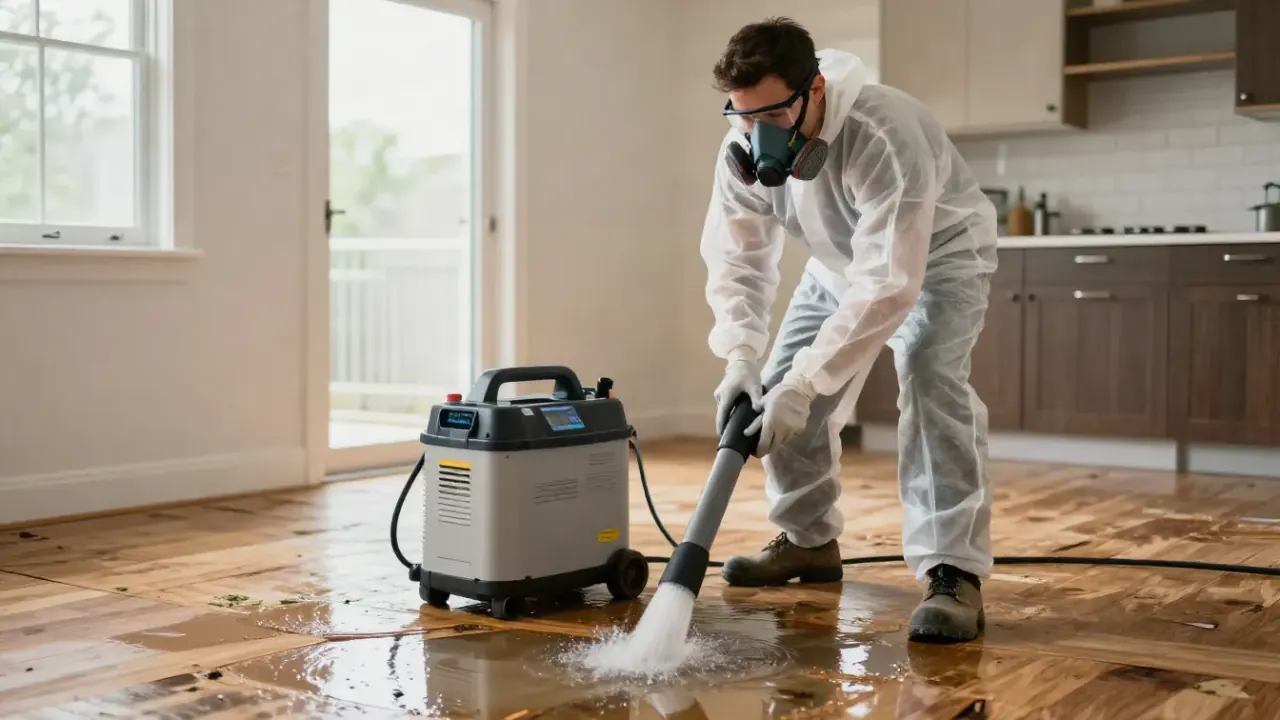
When water is rising in your Richmond, Texas home or business, water extraction Richmond TX is the first step that stops the damage from spreading. We handle water removal in Richmond for slab leaks, burst pipes, appliance overflows, and storm flooding. Our team arrives with extraction units, moisture meters, and air movers to get your property dry and safe.
 Moisture mappingThermal scanDaily logs
Every job is different, but most water extraction Richmond TX projects include the following. We explain what is covered and what is not before we start, so there are no surprises.
We extract standing water from carpets, floors, and cavities using truck-mounted and portable units. We work quickly to stop the water from spreading and causing more damage.
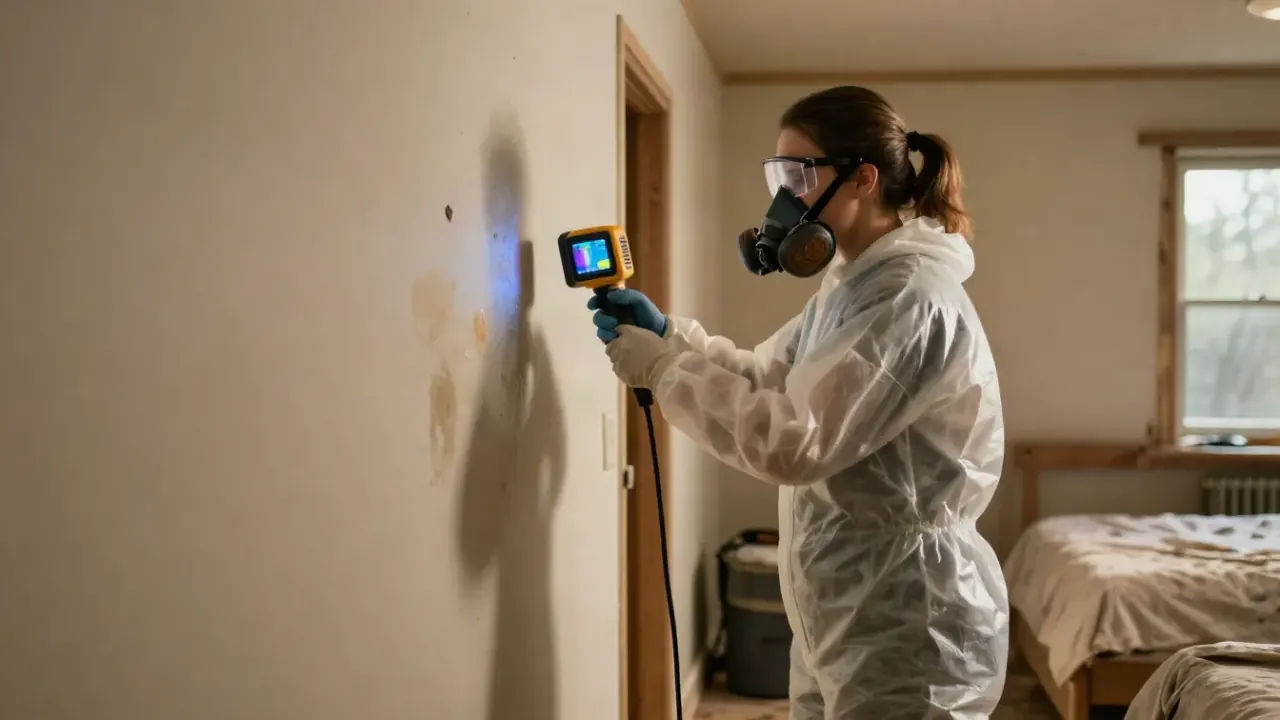
We use moisture meters and thermal imaging cameras to find hidden water in walls, ceilings, and subfloor. This tells us exactly where to focus extraction and drying.
We place air movers and dehumidifiers to dry the structure. We monitor daily and adjust equipment until materials reach dry standard, usually within three to five days.
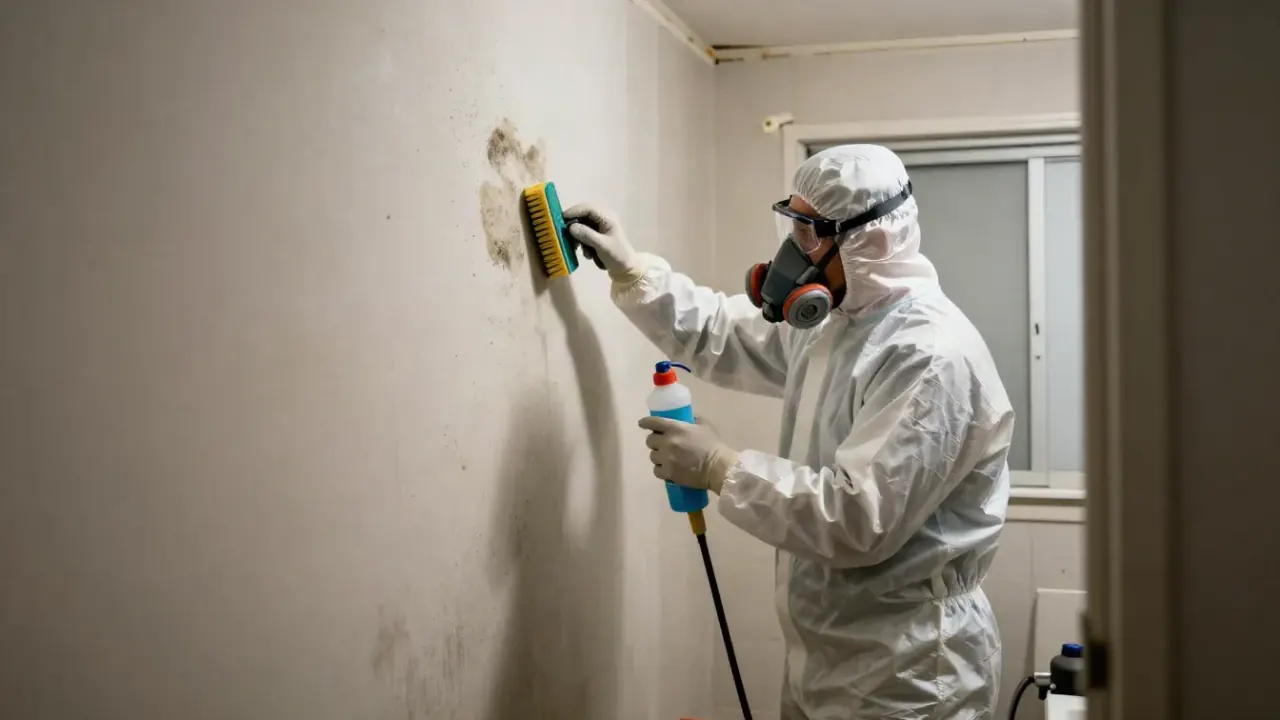
After extraction, we apply antimicrobial solutions to affected areas to inhibit mold growth. This is especially important for category 2 and category 3 water like sewage backups.
We photograph moisture readings, log extraction volumes, and provide a summary of the work. This documentation supports your insurance claim and helps the adjuster process it faster.
The approach is the same for a home and a business. What changes is the access, the schedule and who needs the paperwork.
We handle water in houses, apartments, and condos. Our team extracts, dries, and documents for your insurance.
We work with property managers and business owners. We minimize downtime and document everything for your records.
A plain-language look at what water extraction richmond tx involves and when it is needed.
See how it worksWater extraction Richmond TX is the physical removal of standing water from floors, carpets, and cavities using truck-mounted or portable extraction units before structural drying begins. It is not a shop vac job. We use moisture meters and thermal imaging cameras to map the water you cannot see, then pull it out with equipment matched to the water category and volume. This is the step that prevents warped hardwood, delaminated subfloor, and mold growth after water damage.
Richmond sits in Fort Bend County where clay soil shifts, slab leaks are common, and summer storms dump inches of rain in hours. If your washing machine line bursts at 2 a.m. or your water heater lets go before a holiday, you need emergency water extraction Richmond Texas, not a callback next week. We also handle water removal near Aliana Richmond Texas and surrounding neighborhoods, so you get help close by when it matters.
Water extraction is the first step to stop water damage from spreading.
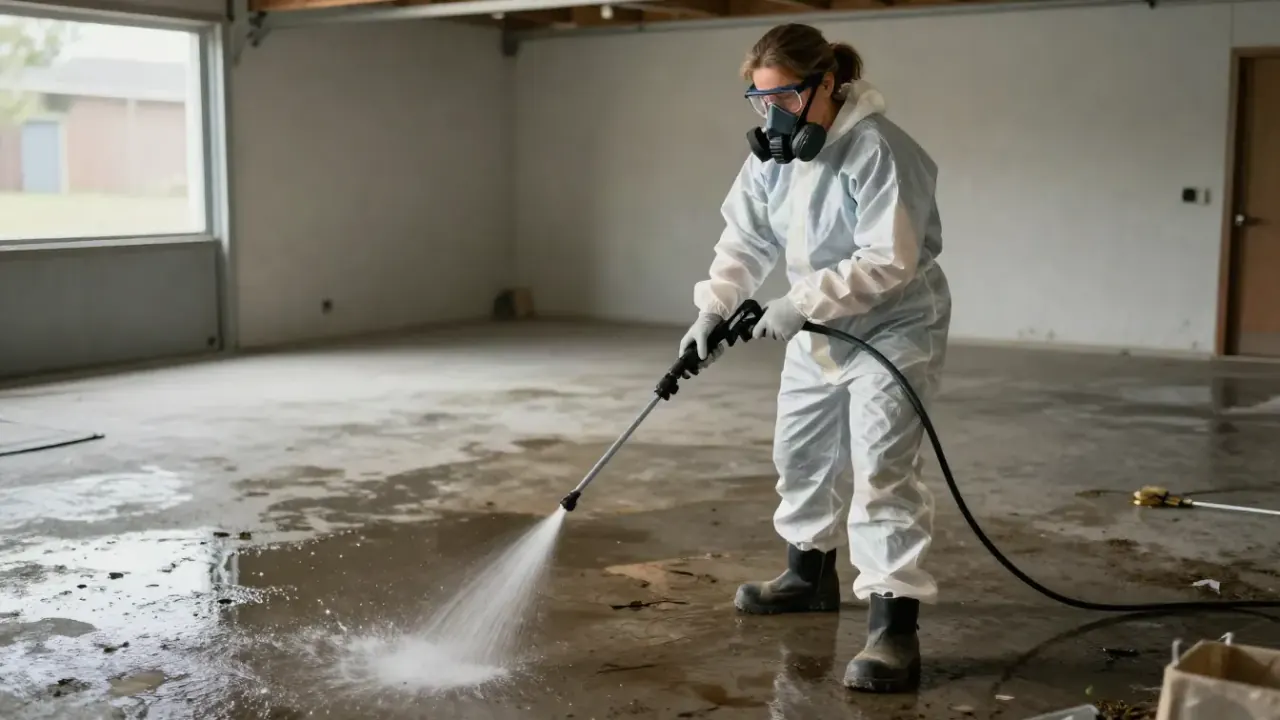
Every job follows the same disciplined sequence, from the first call to the final moisture check.
You call, we ask what happened, where the water is coming from, and whether the source is stopped. We dispatch a crew and give you immediate steps to limit damage, like shutting off the water valve and moving valuables off the floor.
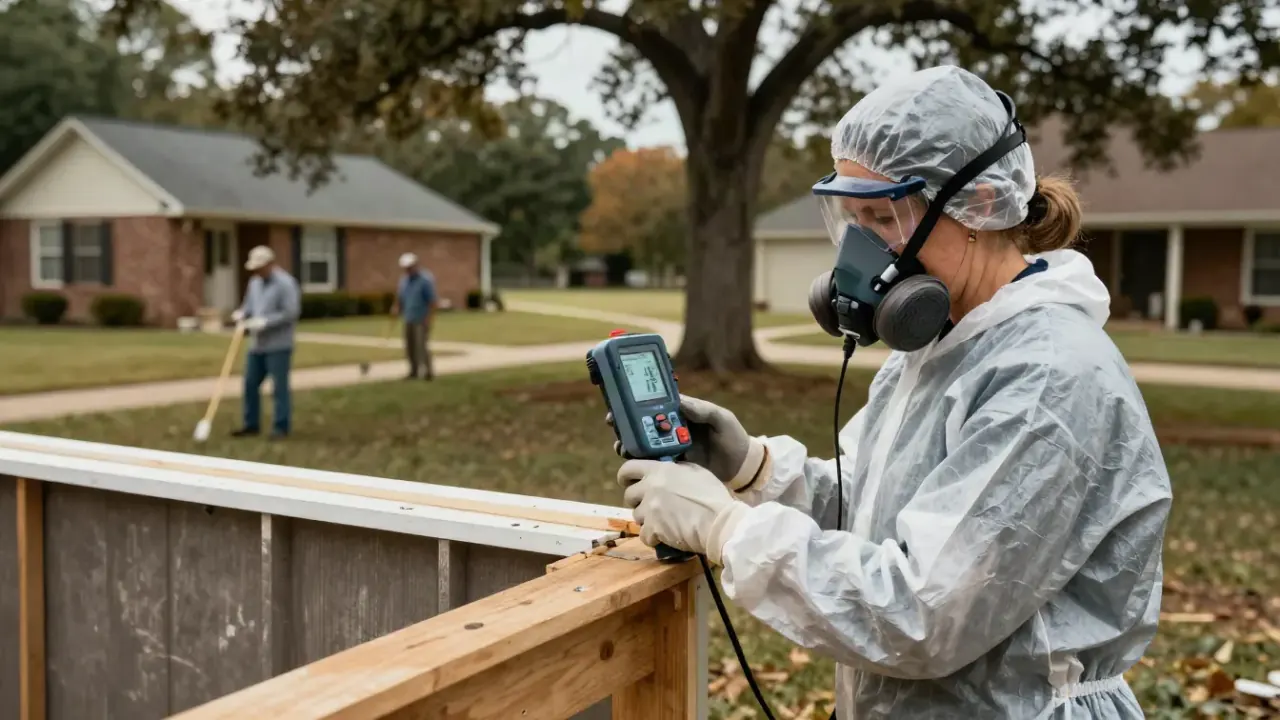
On arrival we walk the property with moisture meters and thermal imaging cameras to find hidden water in walls, ceilings, and subfloor. We identify the water category and explain what we found before we start extraction.
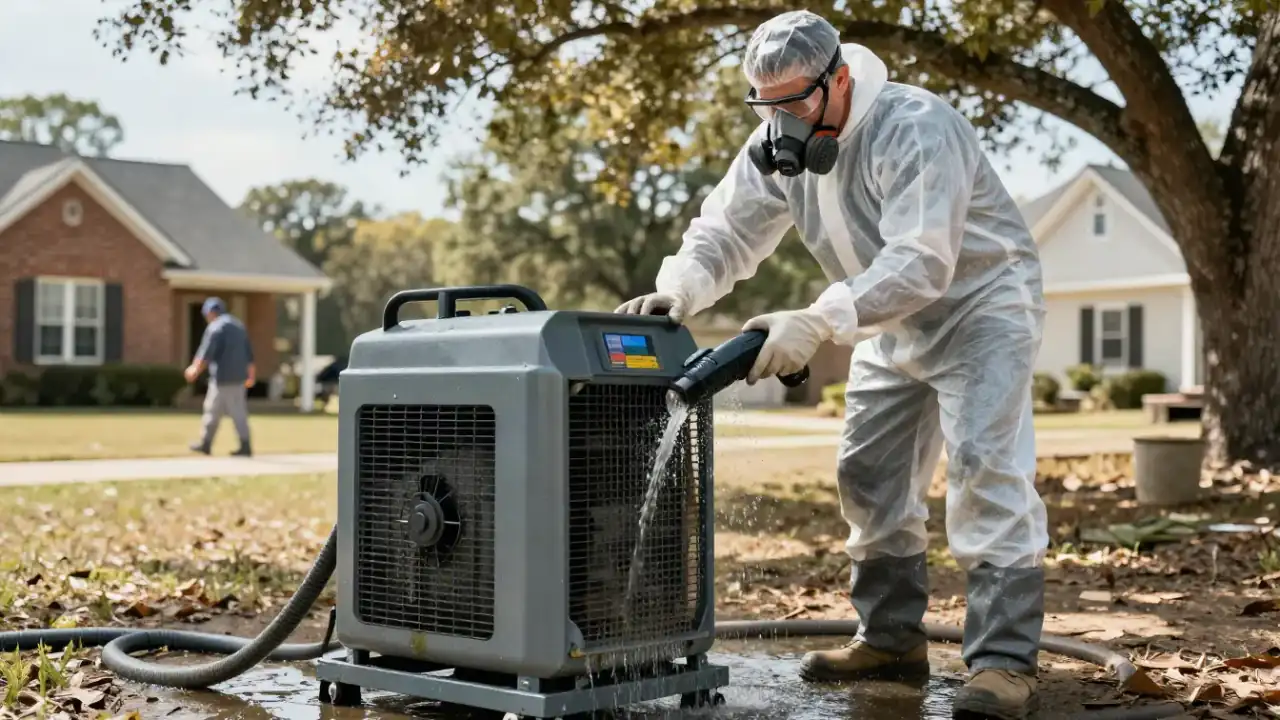
We use truck-mounted extraction units and portable extractors to pull standing water from carpet, pad, hardwood, and concrete.
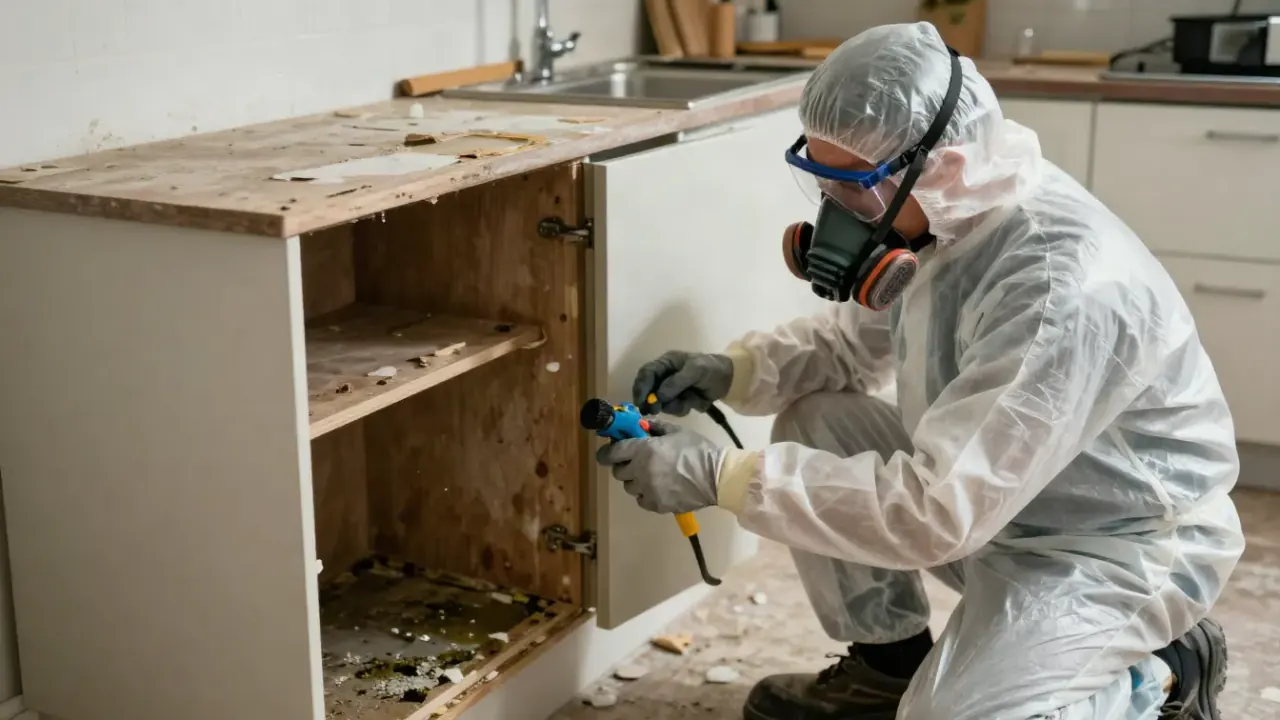
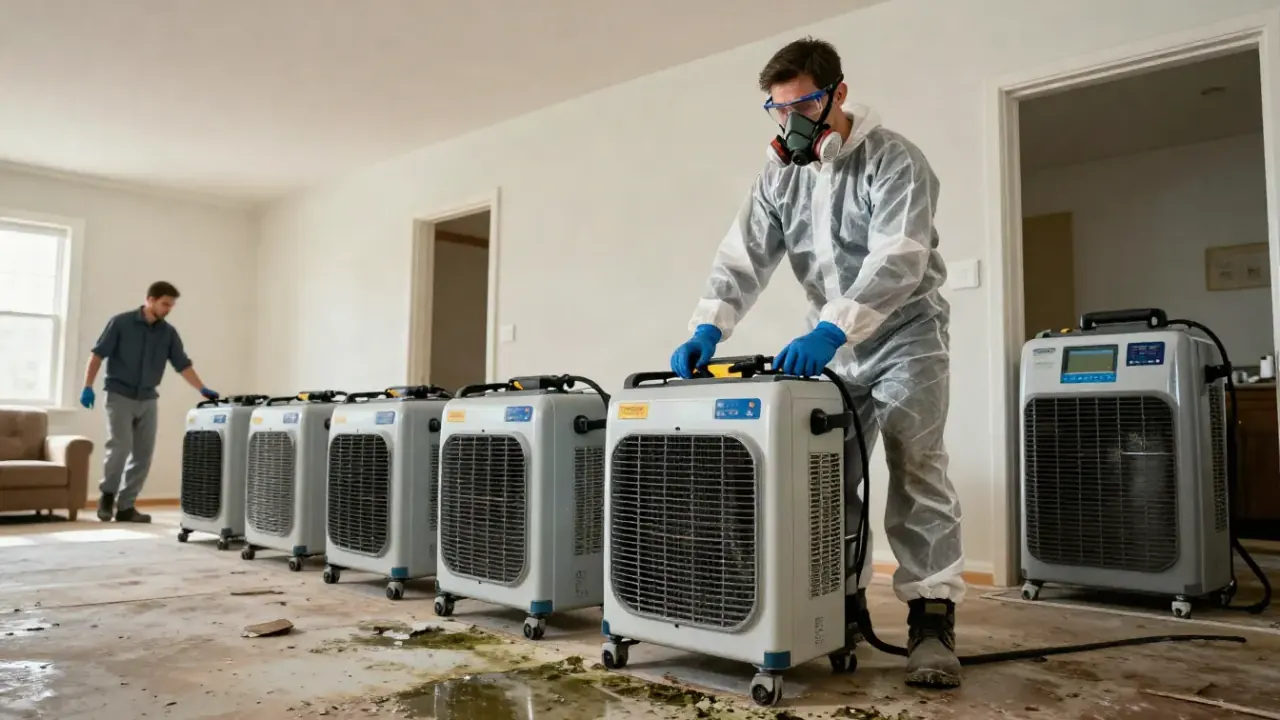
We place air movers and dehumidifiers to dry the structure. We check moisture readings daily, adjust equipment placement, and log progress until materials reach dry standard. This usually takes three to five days depending on the water volume and materials affected.
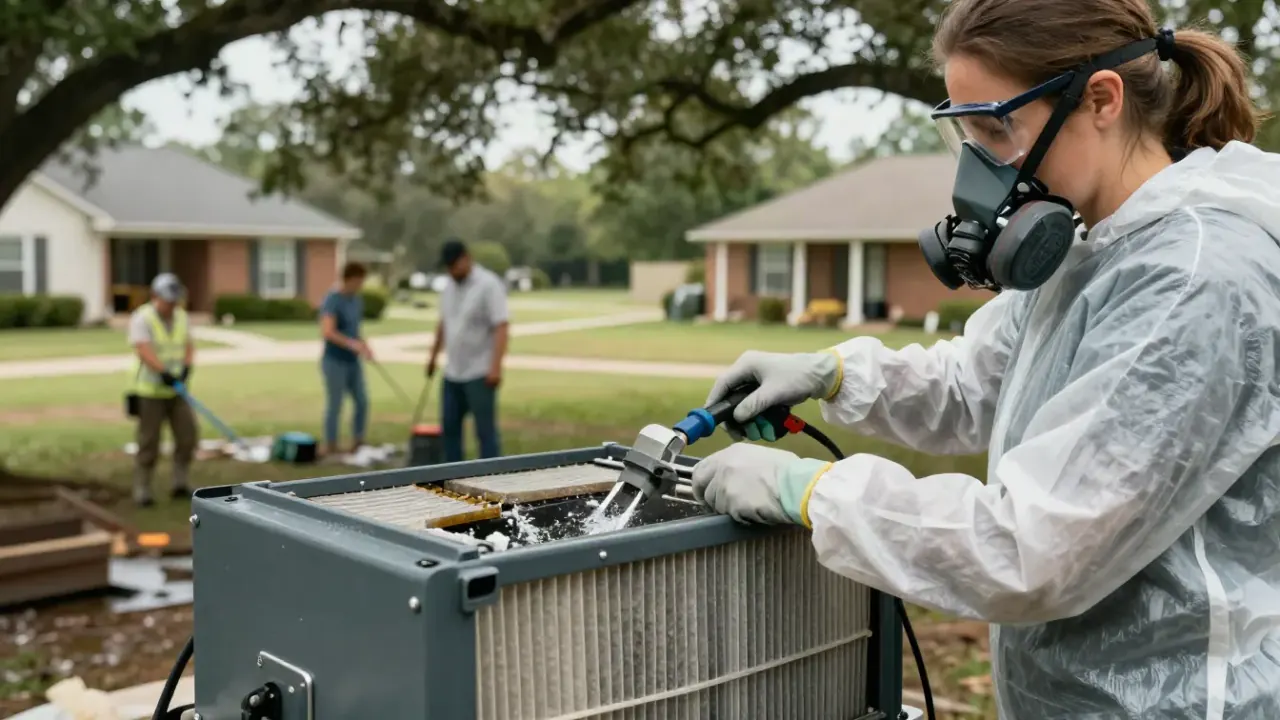
We do a final moisture check, confirm readings are within range, and walk you through what was done. You get a summary of the work and any recommendations for repairs, like replacing drywall or treating for mold.
Move across a circle, or focus it and press Enter, for an illustrative thermal view of the photograph.
Used to measure moisture content in drywall, wood, and concrete. They tell us where water is hiding and when materials are dry.
Used to detect temperature differences that reveal hidden water behind walls and under floors. They help us find leaks without tearing out materials.
Used to circulate air and speed evaporation from wet surfaces. We place them strategically to dry walls, floors, and ceilings.
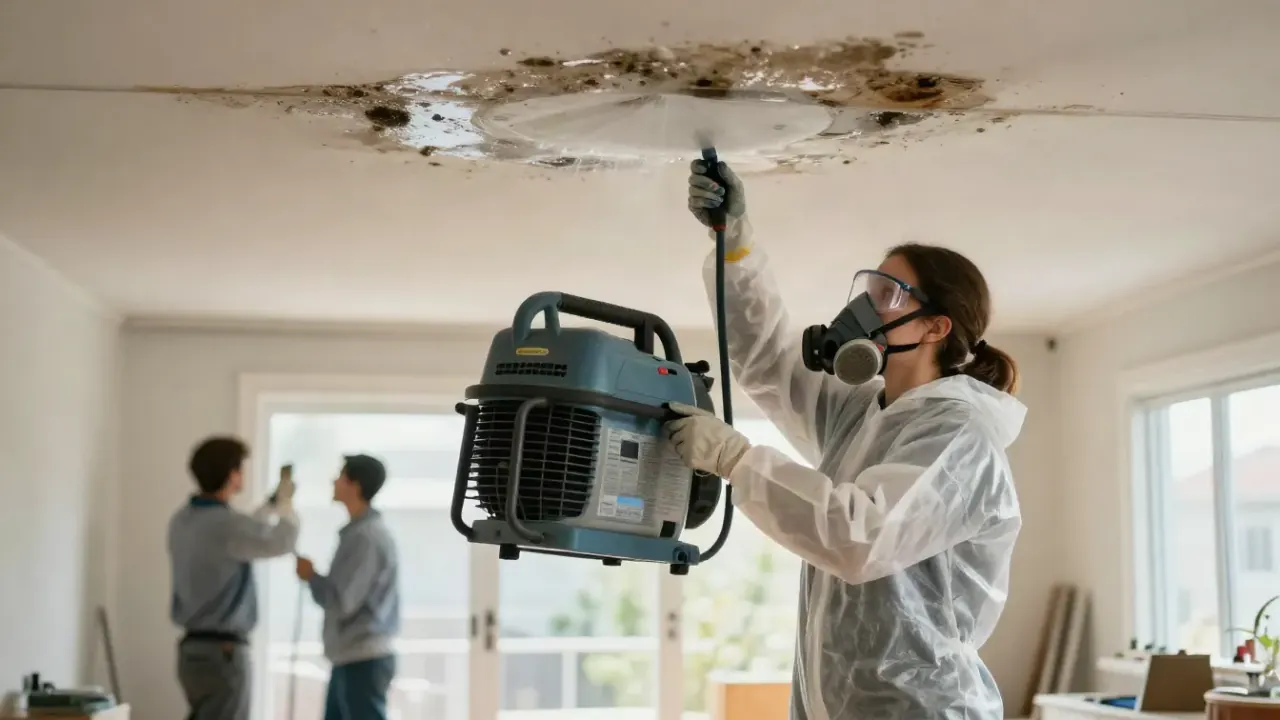
Used to pull moisture from the air after extraction. They prevent secondary damage and help the structure dry faster.
Truck-mounted and portable units that pull standing water from carpets, floors, and cavities. We match the unit to the water volume and category.
Thermal views are illustrative, generated from the photographs.
The industry standard for water damage restoration. We follow it to determine water category, set drying goals, and monitor progress until materials are dry.
We create a map of moisture readings across the affected area. This guides equipment placement and helps us track drying progress day by day.
We apply antimicrobial solutions to affected surfaces after extraction. This inhibits mold growth and is especially important for category 2 and 3 water.
We check moisture readings every day and adjust equipment as needed. This ensures the structure dries evenly and we do not remove equipment too early.
You wake up to a flooded bathroom from a failed supply line.
We extract the water, dry the floor and walls, and check for moisture in adjacent rooms. We also document the damage for your insurance claim and can recommend a plumber to fix the line.
Outcome: Your bathroom is dry within a few days, and you avoid mold and costly repairs.
A storm dumps three inches of rain and your backyard floods into the house.
We extract the floodwater, remove wet materials, and set up drying equipment. We also check for hidden moisture in walls and under floors.
Outcome: Your home is dry and safe, and you have documentation for your flood insurance claim.
Your water heater leaks in the garage and soaks the wall shared with the kitchen.
We extract the water, dry the garage and kitchen wall, and check for moisture behind cabinets. We also apply antimicrobial treatment to prevent mold.
Outcome: The leak is contained, the structure is dry, and your kitchen is back to normal.
A slab leak soaks your living room carpet and you smell a musty odor.
We locate the leak with thermal imaging, extract the water, and dry the concrete and carpet. We also treat for mold if needed.
Outcome: The musty odor is gone, the slab is dry, and your carpet is saved or replaced.
Richmond, Texas sits in Fort Bend County where the clay soil expands and contracts with the seasons, which puts stress on foundation plumbing and makes slab leaks common. Summer storms can drop several inches of rain in a few hours, and the Brazos River bottomland floods when it rises. Many homes here are built on slab foundations with carpet and engineered hardwood, both of which soak up water fast. We know how local homes are constructed and where water tends to travel. When you call for water removal services Richmond TX, we bring the right equipment for the job and dry your structure to ANSI/IICRC S500 standards.
Before: A slab leak soaked the living room carpet and baseboards. Moisture readings were high in the concrete and drywall. The homeowner noticed a musty odor and called us.
After: We extracted the water, dried the slab and walls, and applied antimicrobial treatment. Moisture readings returned to normal within five days. The carpet was saved and the odor was gone.
Keep an eye on your water bill for unexplained spikes, which can indicate a slab leak. Call us if you notice musty odors or warm spots on the floor.
Before: A supply line burst in the attic and water ran down through the ceiling and walls. Two bedrooms and a hallway were affected. The homeowner shut off the water and called us.
After: We extracted the water, removed wet insulation and drywall, and set up drying equipment. After four days, moisture readings were normal. We replaced the drywall and insulation.
Insulate exposed pipes in the attic and check them before winter. If you see water stains on the ceiling, call us immediately.
Before: A sewage line backed up into a rental unit, flooding the bathroom and hallway with category 3 water. The tenant called the property manager, who called us.
After: We extracted the sewage, disposed of it properly, and disinfected the area with sewage cleanup chemicals. We removed and replaced the affected drywall and flooring. The unit was safe to rent again within a week.
Have your sewer line inspected annually if you have large trees nearby. Avoid pouring grease down the drain, and call us at the first sign of a backup.
These are the most common water issues we see in Richmond, Texas. If you are dealing with any of them, call us before the damage gets worse.
Fast extraction and thorough drying protect your property and health.
Standing water wicks into drywall and insulation within minutes. We extract and start drying the same day, which cuts the chance of mold growth after water damage and saves materials that would otherwise be torn out.
We photograph moisture readings, log extraction volumes, and note affected materials. That documentation supports your insurance claim and shows the adjuster exactly what happened and what we did to fix it.
Our technicians follow ANSI/IICRC S500 standards for water damage restoration. We set drying goals, monitor with moisture meters and thermal imaging cameras, and do not pull equipment until readings confirm the structure is dry.
We are based in Richmond, Texas and have been serving Fort Bend County since 2021. You get a crew that knows the local building stock, the clay soil, and the storm patterns that cause most of the water damage we see.
What a written scope covers and what shapes it. Prices are set by the business after the first look.
Included
Depends on
Clear records you can keep and share.
Daily readings and drying progress
Before, during, and after photos
What was done and materials affected
Units used and placement notes
Not all water is the same. The category determines how we extract and dispose of it.
Clean water from a safe source
Gray water with some contamination
Black water with harmful bacteria
A list like this tells people straight away whether you cover their street. Not listed? Call and ask: it only takes a minute.
Based in richmond and covering the places around it. Pick one for local details.
A small appliance overflow might be on the low end, while a sewage backup or storm flooding can push higher. We give you a written estimate before we start, so you know the number upfront.
We can usually be on-site within two to four hours of your call. Extraction itself takes one to three hours for most rooms. The drying phase that follows takes three to five days, and we monitor moisture daily to confirm progress.
Yes, if the leak soaked into carpet, drywall, or subfloor. Small leaks can hide moisture that leads to mold growth within 24 to 48 hours. We use moisture meters and thermal imaging cameras to find hidden water and dry it properly, which a shop vac cannot do.
Most homeowner policies cover sudden and accidental water damage, like burst pipes or appliance failures. Flood damage from rising water usually requires separate flood insurance. We document the damage thoroughly and work with your adjuster to support your claim.
Other services from the same team.
Call us for same-day water extraction Richmond TX. We are local, we answer the phone, and we show up ready to work. One call gets a crew on the way.
If water is still coming in, call us first at +1 832-225-4606. For non-emergency questions, email info@waterrestorationsexpert.com and we will get back to you the same business day.