For homes
Sewage backups in a home need fast extraction and careful drying. We keep the work area contained and tell you what to avoid until the space is safe.
- Main line backup
- Toilet overflow
- Sump pump failure
When a sewer line backs up into your Richmond home, every hour counts. Our sewage cleanup richmond TX team pulls the standing waste, disinfects the affected surfaces, and dries the structure so mold never gets a foothold. We handle slab leaks, burst pipes, and storm backups across Fort Bend County, and we work directly with your insurance claim. One call gets a crew moving.
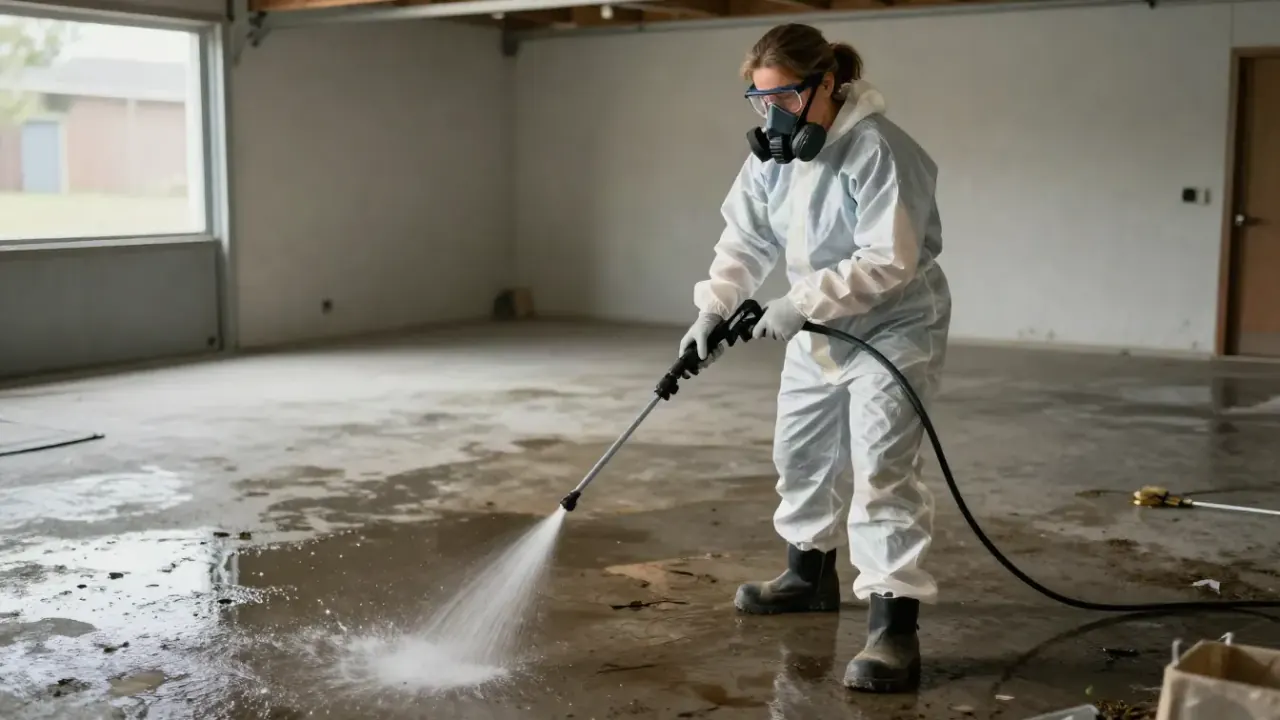 Inspect firstExtract wasteDry to standard
Every job starts with a written scope so you know what is covered before we begin. The core service covers extraction, removal of contaminated materials, disinfection, and structural drying. Add-ons like mold remediation or drain line repair are quoted separately if we find them during the inspection.
Truck-mounted units pull standing sewage and water from floors, subfloors, and crawl spaces. We work fast because every hour the waste sits, the more material absorbs contamination and the more we have to remove.
Saturated drywall, insulation, carpet, pad, and flooring go into sealed containers and off your property. We cut to the contamination line, not the water line, so we remove only what is actually affected.
Framing, subfloor, and concrete get treated with EPA-registered antimicrobial solutions. This step kills bacteria and viruses left behind after extraction and gives the structure a clean surface to dry against.
Air movers and dehumidifiers run until moisture readings match the dry standard. We check daily, adjust placement, and log every reading. A typical Richmond home takes three to five days to dry completely.
You receive photos, moisture logs, and a written scope of the work performed. This is the file your insurance adjuster needs to process a sewage backup claim without back-and-forth phone calls.
The approach is the same for a home and a business. What changes is the access, the schedule and who needs the paperwork.
Sewage backups in a home need fast extraction and careful drying. We keep the work area contained and tell you what to avoid until the space is safe.
A sewage backup can shut down a restaurant or office for days. We work around your hours, document the damage, and dry the space so you can reopen.
A plain-language look at what sewage cleanup richmond tx involves and when it is needed.
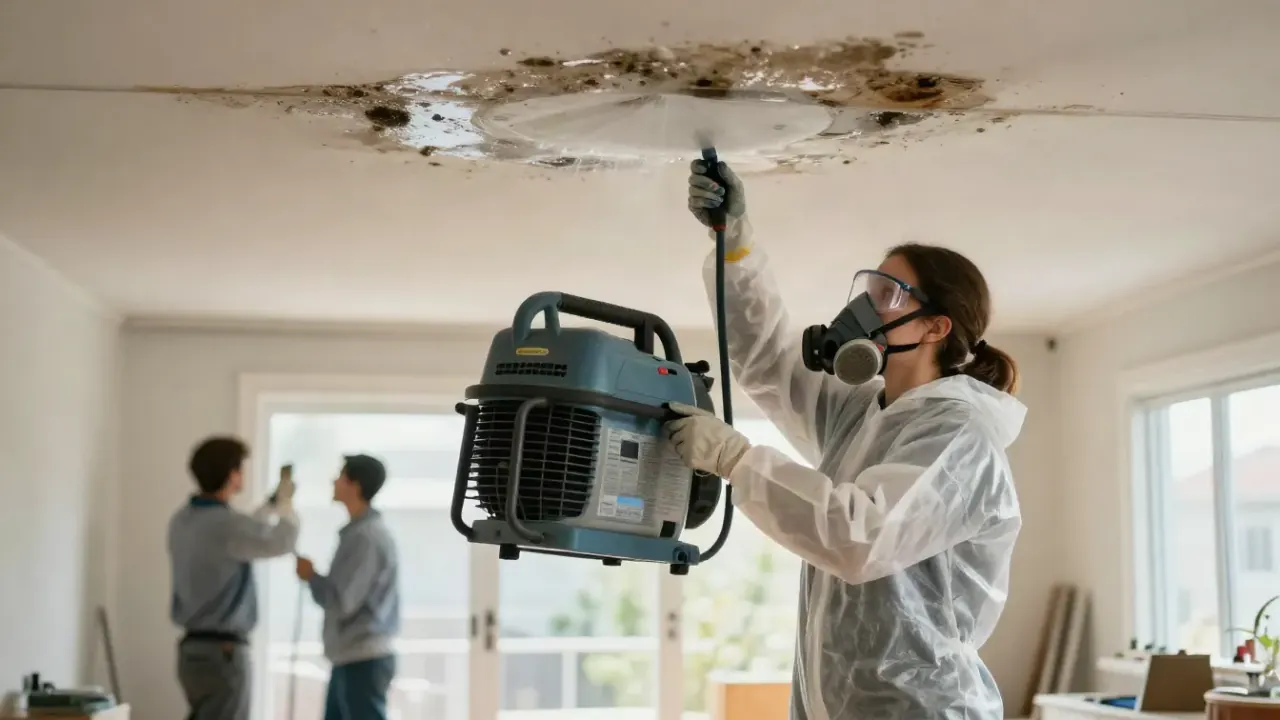
See how it worksSewage cleanup richmond TX is the process of removing contaminated wastewater, solids, and debris from a property, then disinfecting and drying every surface the waste touched. It is not a mop-and-bucket job. Category 3 water carries bacteria, viruses, and parasites, so our crews wear full PPE, isolate the affected rooms with plastic barriers, and pump the waste into a holding tank before any cleaning starts. We remove saturated drywall and insulation, treat framing with antimicrobial solutions, and run dehumidifiers until moisture readings match a dry standard.
Most calls we take in Richmond come from three sources: a backed-up main line, a failed sump pump during a heavy rain, or a slab leak that finally surfaced. Homes near the Brazos bottomland deal with high water tables, and older cast-iron drain lines in the historic district crack and root-intrude. If you are searching for sewage removal services near me richmond, we answer the phone, ask what you are seeing, and tell you exactly what to do before we arrive.
Sewage cleanup means removing the waste, disinfecting every surface it touched, and drying the structure before mold starts.
Every job follows the same sequence, from the first phone call to the final moisture reading. Here is what you can expect.
You describe what backed up and where. We ask about the source, how long it has been sitting, and whether anyone in the home has health conditions. Then we give you a straight answer on arrival time and tell you to shut off the water supply and keep kids and pets out of the affected area.
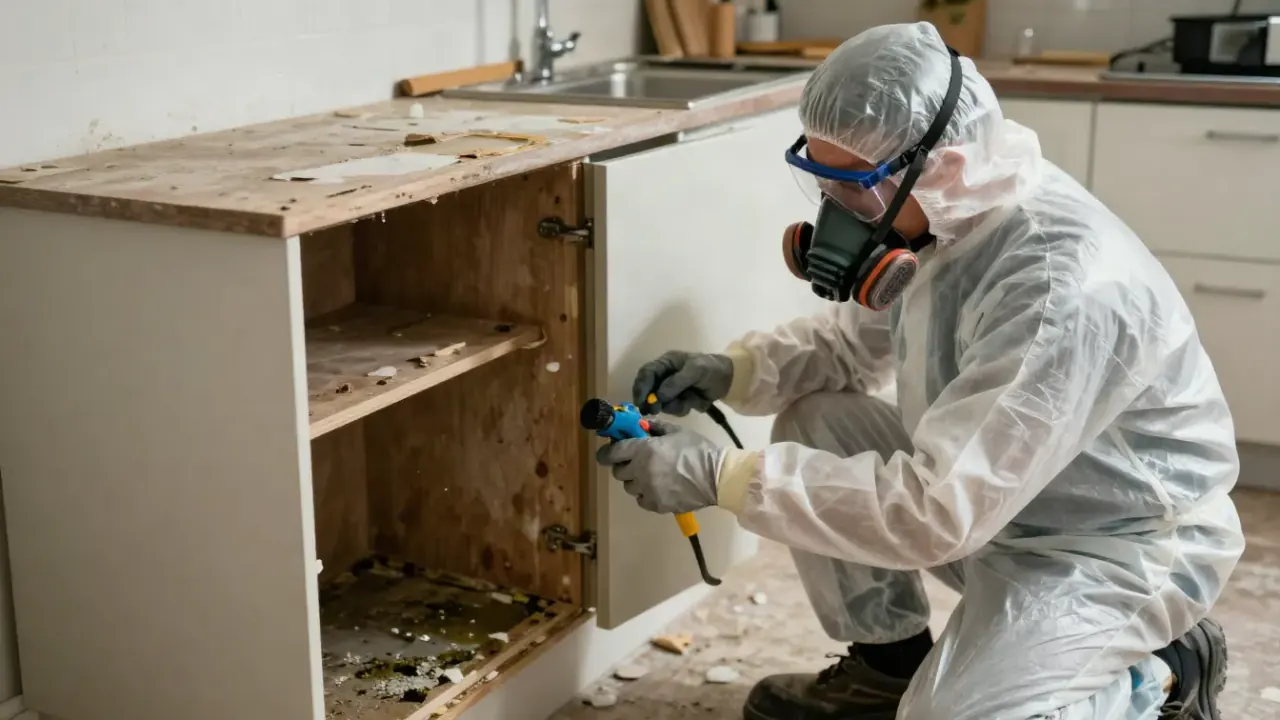
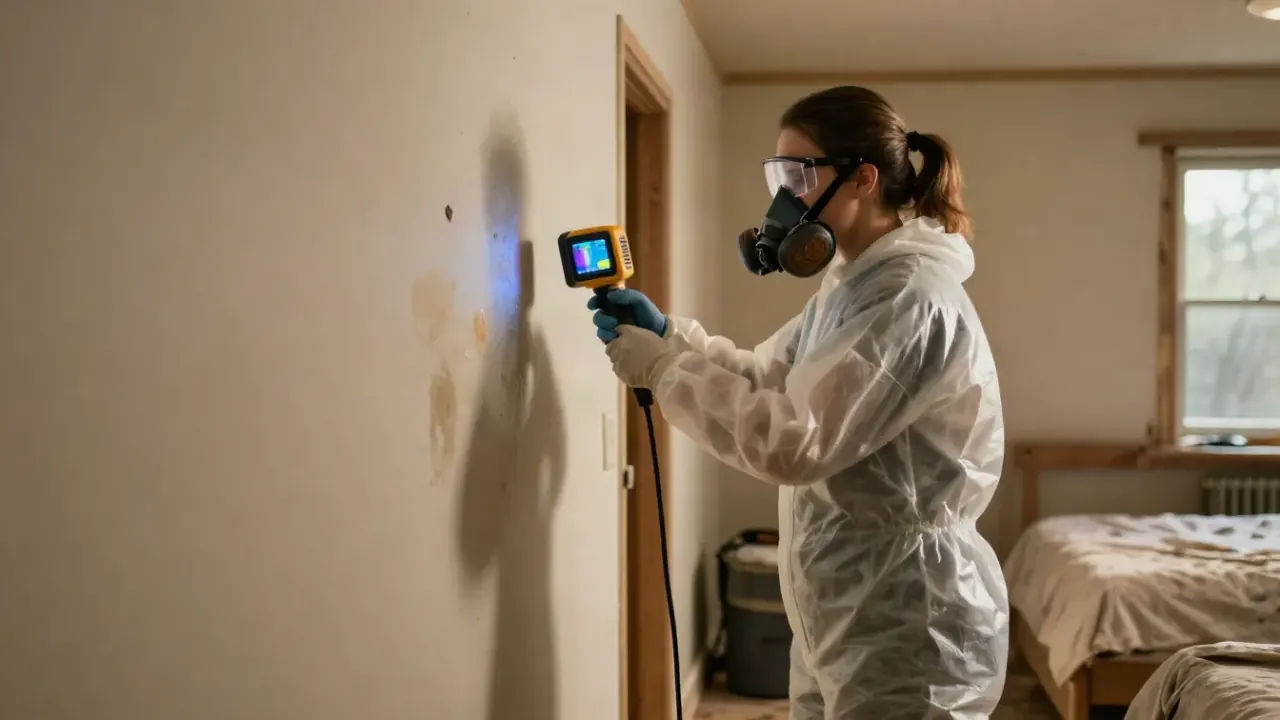
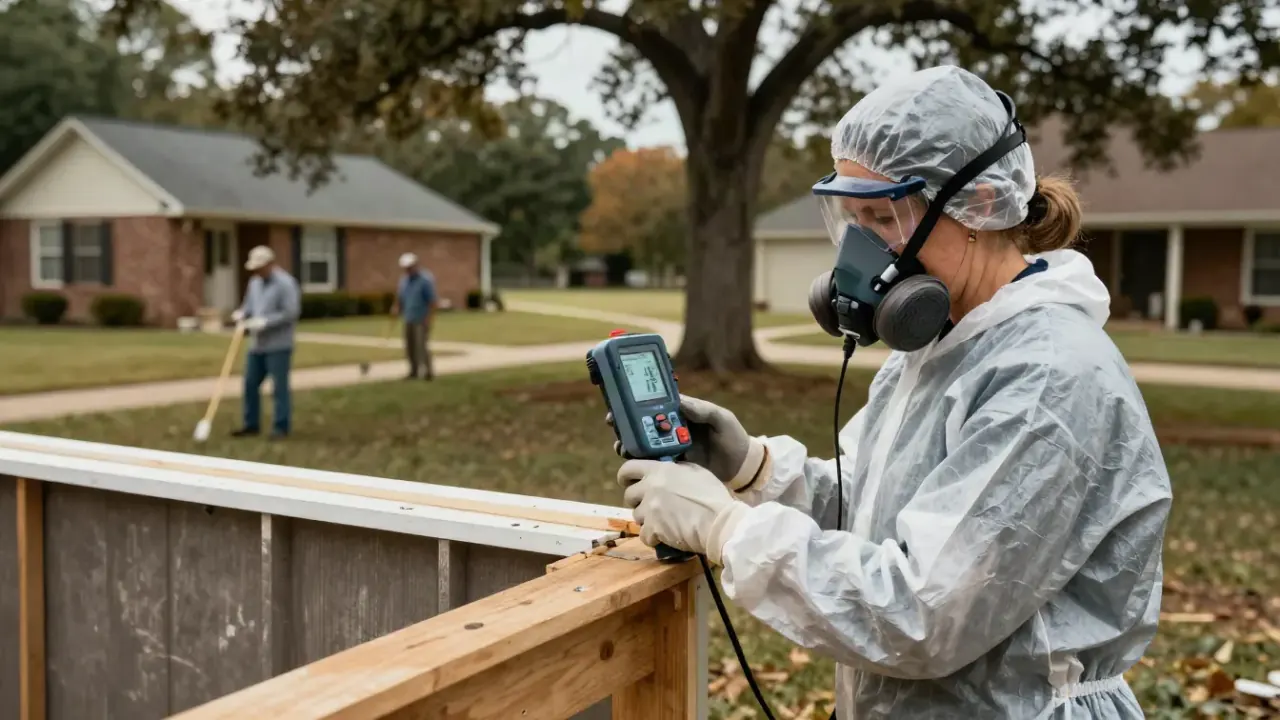
On arrival we walk the property with moisture meters and a thermal imaging camera to find hidden saturation behind walls and under flooring. A boroscope checks the drain line for blockages or breaks. We photograph everything and explain what has to come out and what can be saved.
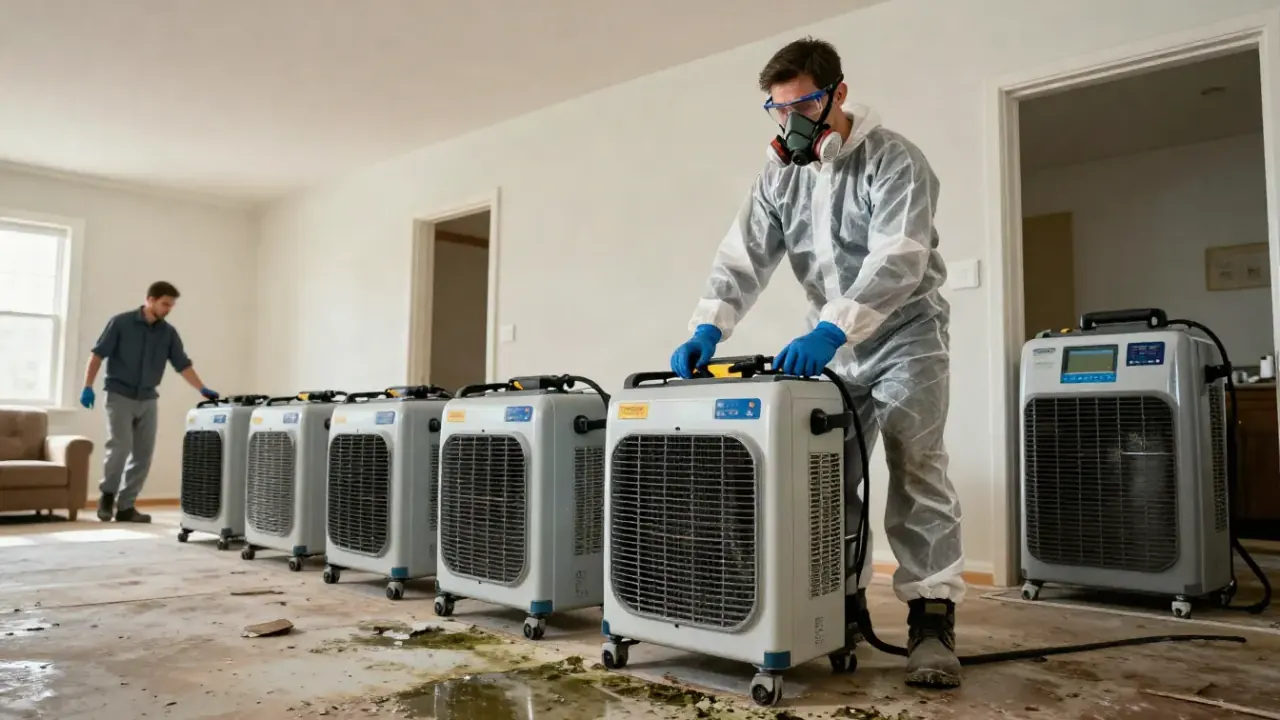
Truck-mounted extraction units pull standing waste and water. We bag and remove saturated drywall, insulation, carpet, and pad. Contaminated materials go into sealed disposal containers, never into your regular trash. This phase usually takes two to four hours on a typical residential backup.
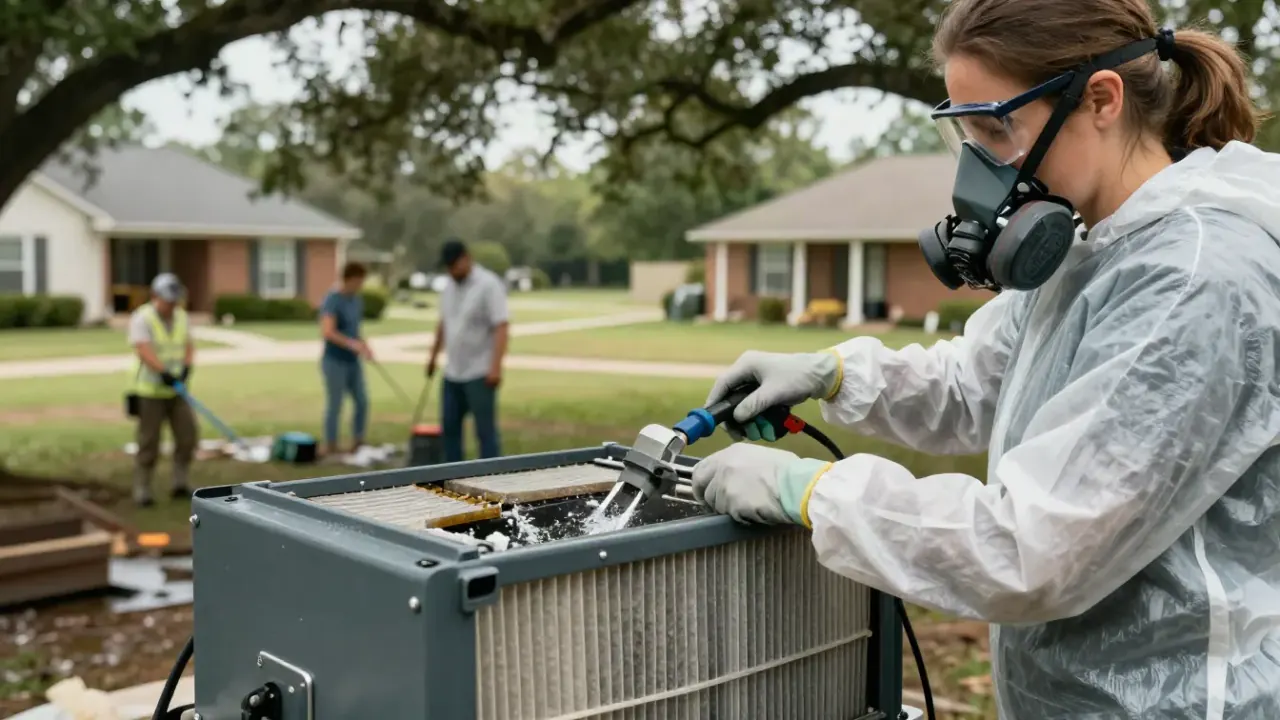
Framing, subfloor, and concrete get treated with antimicrobial solutions, then air movers and dehumidifiers run continuously. We check moisture daily and adjust equipment placement. A standard Richmond home dries in three to five days, depending on humidity and how much material was removed.
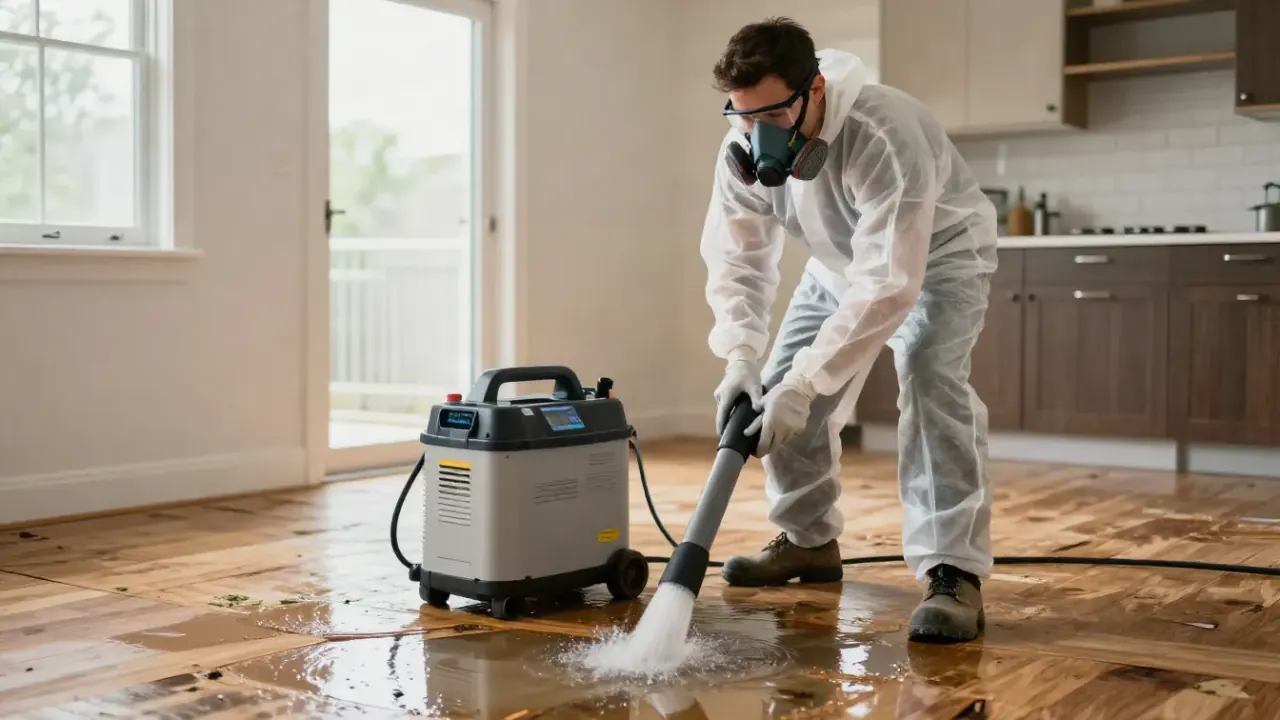
We do not pack up until moisture readings match the dry standard for your area and a thermal scan shows no cold spots. You get a written log, photos, and documentation for your insurance claim. If a repair is needed, we tell you what to fix before the next storm season.
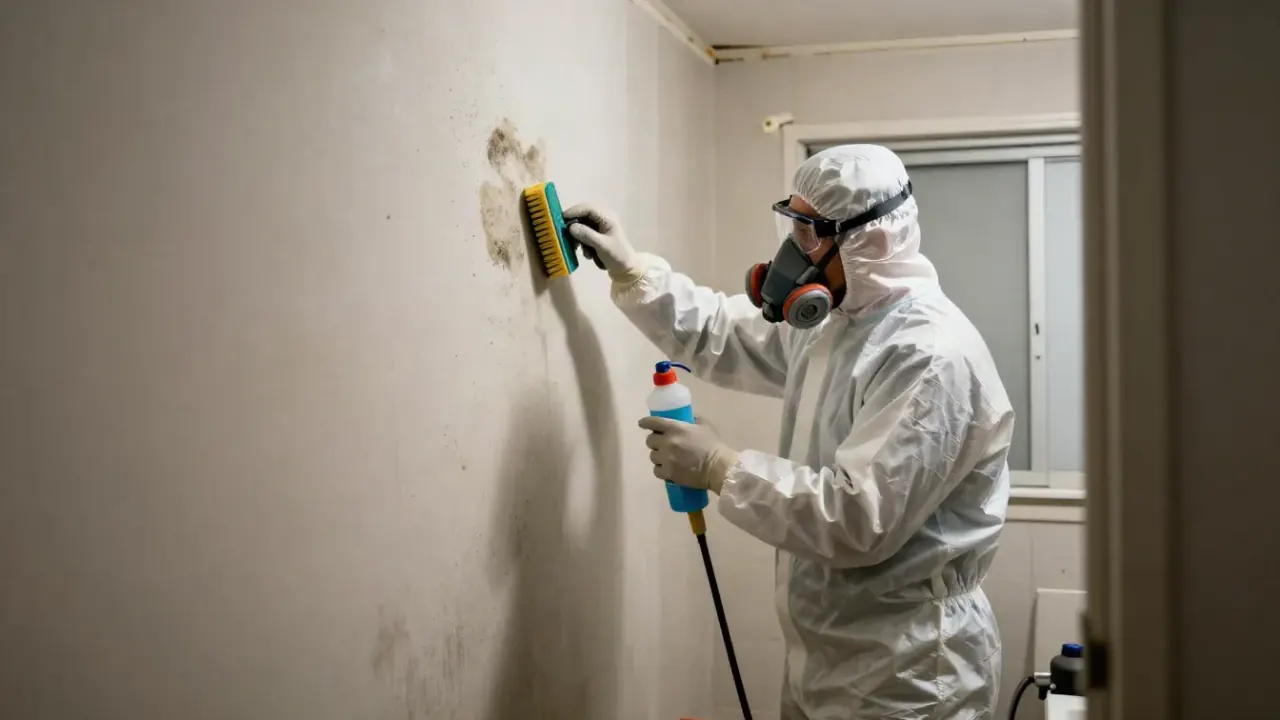
Move across a circle, or focus it and press Enter, for an illustrative thermal view of the photograph.
We use these to find hidden saturation behind walls, under flooring, and in ceiling cavities. Thermal imaging shows cold spots that indicate trapped moisture, so we remove only what is actually contaminated.
These pull standing sewage and water from floors and subfloors faster than portable units. Fast extraction means less material absorbs contamination and less has to be torn out.
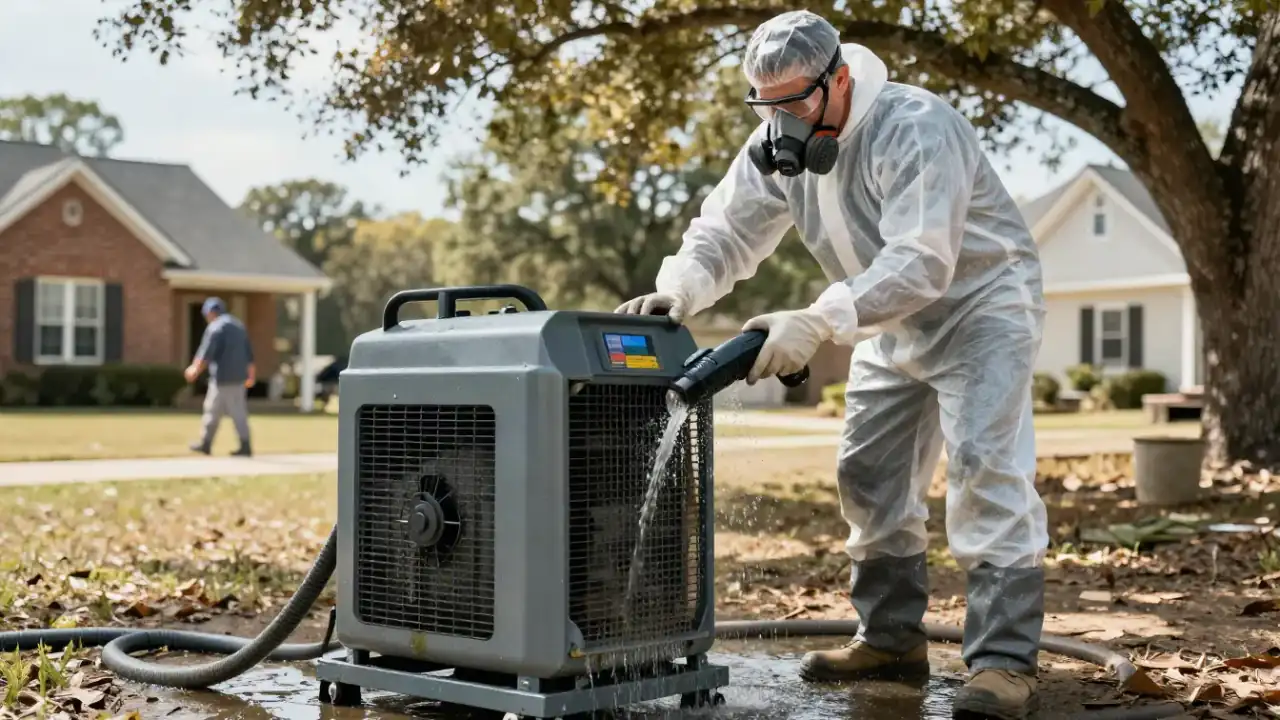
We run these continuously during the drying phase to pull moisture out of the air and structure. They are the same units used on commercial water damage jobs.
Air movers keep air circulating across wet surfaces to speed evaporation. HEPA scrubbers pull airborne bacteria and mold spores out of the room instead of letting them settle.
A boroscope lets us look inside drain lines for cracks or blockages without tearing up the floor. Hydrostatic test pumps check whether a line is holding pressure or leaking underground.
Thermal views are illustrative, generated from the photographs.
This standard sets the drying goals and documentation requirements we follow on every job. It tells us when a structure is dry, how to log moisture readings, and how to classify water contamination.
When sewage cleanup turns into mold work, we follow S520 for containment, removal, and surface treatment.
Sewage is Category 3 water, which means it is grossly contaminated. We isolate the area, wear full PPE, remove porous materials, and treat all surfaces with antimicrobial solutions. No dry-vacuuming, no HVAC use during cleanup.
We log moisture readings every day until the structure is dry. That log goes into your insurance file and tells us when to adjust equipment or add more drying capacity.
A main line backs up into a first-floor bathroom during a family gathering.
We extract the waste, remove the saturated vanity and flooring, disinfect the room, and set drying equipment. The bathroom is unusable for three to five days while it dries.
Outcome: The home is safe again, the insurance claim is documented, and the bathroom is ready for repair.
Heavy rain overwhelms a sump pump, and water pushes up through a floor drain in the garage.
Our crew pumps out the standing water, treats the concrete and any stored items, and runs dehumidifiers to pull moisture from the walls and slab.
Outcome: The garage dries in two to three days, and we flag the sump pump for replacement before the next storm.
A rental property sits vacant for a week, and a toilet supply line fails, flooding the unit with sewage-contaminated water.
We handle the extraction, remove the saturated carpet and pad, disinfect the subfloor, and dry the unit. We document everything for the property owner's insurance.
Outcome: The unit is dry and documented in five days, and the owner has a claim file ready to submit.
A restaurant grease line backs up into the kitchen during dinner service.
We extract the waste, remove affected flooring and baseboards, disinfect the area, and dry the kitchen. We work after hours so the restaurant can reopen the next day.
Outcome: The kitchen passes a health inspection, and the business loses one service instead of a week.
A homeowner notices a sewage smell near the water heater and finds a slow leak has been running for weeks.
We inspect with thermal cameras, remove the saturated drywall and insulation, treat the framing, and dry the wall cavity. A plumber repairs the supply line.
Outcome: The smell is gone, mold growth is prevented, and the wall is ready for new drywall.
Richmond sits in Fort Bend County, where the Brazos River bottomland keeps the water table high and heavy spring rains push groundwater into older drain systems. The housing stock ranges from new-build subdivisions in Aliana and Harvest Green to 1960s and 1970s ranch homes closer to the historic district.
Those older homes often have cast-iron drain lines that crack, root-intrude, or collapse, and that is where most of our sewage backup calls start. Newer homes are not immune either. Slab-on-grade construction means a failed supply line or a shifted drain can saturate the subfloor for weeks before anyone notices.
Our drying targets account for the Gulf Coast humidity, which can slow evaporation if equipment is undersized.
Before: A main line backed up into a first-floor bathroom, spreading sewage across 80 square feet of tile and soaking the baseboards and vanity. The homeowner had tried to mop it up, which spread contamination further.
After: We extracted the waste, removed the vanity and baseboards, treated the slab and framing, and dried the room in four days. Moisture readings returned to the dry standard, and the homeowner had a full documentation package for insurance.
Have the main line inspected annually and consider a sewer backup rider on your policy.
Before: Heavy rain overwhelmed a sump pump, and water pushed up through a floor drain in the garage. Standing water sat for two days before the homeowner called, and the smell had already reached the adjacent hallway.
After: We pumped out the standing water, treated the concrete and stored items, and ran dehumidifiers for three days. The garage and hallway dried to standard, and we flagged the sump pump for replacement.
Test your sump pump every spring before storm season and install a battery backup. A failed pump during a storm is the most common cause of garage flooding we see.
Before: A slow slab leak under a kitchen floor had been running for weeks. The homeowner noticed a sewage smell near the water heater and found the subfloor was saturated and starting to grow mold.
After: We mapped the saturation with thermal cameras, removed the affected flooring and drywall, treated the slab and framing, and dried the cavity in five days.
Watch for unexplained spikes in your water bill and warm spots on the floor. Both are early signs of a slab leak, and catching one early saves thousands in cleanup and repair.
Sewage backups show up in different ways, but they all lead to the same place: contaminated water sitting where it should not be. Here is what we fix.
A dry, disinfected structure and a documented file for your claim.
Raw sewage carries E. coli, salmonella, and hepatitis A. We extract the waste, then apply EPA-registered antimicrobial solutions to every contaminated surface. Air scrubbers with HEPA filters run the whole time, pulling airborne bacteria out of the room instead of letting it settle into your HVAC system.
Mold can colonize wet drywall in 24 to 48 hours. Our sewage backup cleanup richmond texas crews cut out saturated materials fast, then run Dri-Eaz and Phoenix Restoration Equipment dehumidifiers to pull structural moisture below 16 percent. That is the difference between a cleanup and a full remodel.
We photograph every affected area, log moisture readings with meters and thermal imaging cameras, and produce a scope your adjuster can process. Most homeowner policies cover sudden sewage backups, though many require a rider. We document so your claim moves, not stalls.
A sewage backup at 6 a.m. does not wait for a business day. We schedule same-day sewage cleanup richmond TX calls whenever a crew is free, and we stage equipment so extraction starts within the first hour on site. The faster the waste is out, the less material we have to tear out.
What a written scope covers and what shapes it. Prices are set by the business after the first look.
Included
Depends on
Clear records you can keep and share.
Daily readings until dry standard
Before, during, and after images
What was removed and treated
Equipment placement and run times
Not all water damage is the same. The category determines how we handle materials and how much has to be removed.
Clean water from a supply line
Grey water with some contamination
Sewage and grossly contaminated water
A list like this tells people straight away whether you cover their street. Not listed? Call and ask: it only takes a minute.
Based in richmond and covering the places around it. Pick one for local details.
A small bathroom backup with minimal material removal sits at the low end. A whole-floor backup with contaminated cabinets and flooring pushes higher. We give you a written scope before work starts, and we document everything for your insurance claim.
Yes. Sewage is classified as Category 3 water, which means it contains bacteria, viruses, and parasites that cause serious illness. The danger does not end when the water is gone. Pathogens stay on surfaces, and mold can start growing within 24 to 48 hours. Never dry-vac a sewage backup or run your HVAC system, because that spreads contamination through the house. Keep everyone out of the affected area until a crew has extracted and disinfected it.
Many homeowner policies cover sudden and accidental sewage backups, but most require a sewer backup rider or endorsement. Standard policies often exclude sewer backup unless you added that coverage. We photograph the damage, log moisture readings, and produce a scope your adjuster can process.
A plumber clears the blockage, but the contaminated water and damaged materials still need extraction, disinfection, and drying. Call us at +18322254606 and we will tell you what to do while you wait.
Other services from the same team.
Call now and we will tell you what to shut off, what to avoid, and when a crew can be at your door.
If water is still coming in, call us first at +1 832-225-4606. For non-emergency questions, email info@waterrestorationsexpert.com and we will get back to you the same business day.